
Press Removal Instructions
About .Press ransomware
Press (you can also find it named as Press Koncern IT virus) Sadly, though, cyber security researchers have not come up with any solution yet. However, it seems that scammers are still trying to use every possible method in the propagation of its licensed version and have updated it recently. The Press di Press message states that you have been involved into distribution of pornographic content and because of that you must pay a fine. Press 4.4 – a clone of VirusHeal, SpyDawn and other similar tools – is not a reliable spyware remover. Otherwise, you will lose your money. Press properties:
Press is distributed by trojan horse, which is known as Trojan.LockScreen. The payment should be done via MoneyPak, Paysafecard or Ukash code. By the way, this virus may hide in spam, illegal websites, misleading pop-up ads and other places, so you should be very careful when browsing on the Internet. As soon as this dangerous computer infection gets inside the system, it locks everything down. Then, you may find that you cannot access some of your files, and they have the Press extension added to them. However, this has never been working..
The Functionality of Press Ransomware
Do not even take under serious consideration the possibility to pay hackers the demanded fee. Instead of doing that, follow this guide: These threatenings only speed up your decision to pay a fine. They provide extensive instructions how to proceed with the payment in order to retrieve the files. Even though these programs are not dangerous themselves, they may redirect you to questionable sites where you can download Press unknowingly. Basically, it is designed for encrypting specific data files and then making people pay for their decryption. Keep in mind that it is hackers you are dealing with, so you should not foster high expectations of getting the files back even if you remit the payment. Besides, it can be activated after opening a spam email, which is usually written in Russian and inform about social events, invoices or PyPal services.
Press virus and its payload are expected to be found in places that ransomware viruses very frequently choose to temporarily settle down. It is absolutely impossible that police would ask you to pay a fine using Ukash or PaySafeCard payment systems and that is exactly how this ransomware tries to make you pay. it will be changed to Sometimes this virus disables legitimate software, so if your programs are disapled, try kills legitimate security programs. it finishes the job, it leaves a .Press file in the encrypted folders. Lastly, when you get redirected to their website, it indicates Press@tutanota.com address for victims to contact the hackers.
How to Decrypt Files Encrypted by Press Ransomware?
Important: Please remember that cyber criminals update their malicious programs and patch their flaws, so if you are not able to decrypt your files using that combination, it means that you have installed an updated version of Press malware. Pay attention to the e-mail address of the originator – sometimes cyber criminals try to imitate that they are sending you a “CHECK.TXT,” “AWARD.TXT” or “PENALTY.TXT” document from a trusted website. www.guide2remove.com/download. Usually the ransom is somewhere between 100 and 500 dollars. Besides, to remove ‘Press’ ransomware permanently, you should use Anti-Malware Tool or another professional anti-malware.
Press virus finds a path to users’ devices by disguising itself. Try to deny the Flash to make your ransomware stop function as intended. However, as we have already stated, you should NOT pay the ransom as it does not guarantee that your files are going to be restored by those cyber criminals. Therefore, Website researchers say that when it comes to virus removal, using an automatic virus removal software is the best option. www.guide2remove.com/download. After doing that, run a full system scan with anti-malware program. But before applying any of the latter tools run a full system scan with Anti-Malware Tool, Anti-Malware Tool or Anti-Malware Tool to remove the ransomware and any of its leftovers.
Warning, multiple anti-virus scanners have detected possible malware in Press.
| Anti-Virus Software | Version | Detection |
|---|---|---|
| McAfee | 5.600.0.1067 | Win32.Application.OptimizerPro.E |
| Dr.Web | Adware.Searcher.2467 | |
| Malwarebytes | v2013.10.29.10 | PUP.Optional.MalSign.Generic |
| ESET-NOD32 | 8894 | Win32/Wajam.A |
| McAfee-GW-Edition | 2013 | Win32.Application.OptimizerPro.E |
| VIPRE Antivirus | 22702 | Wajam (fs) |
| K7 AntiVirus | 9.179.12403 | Unwanted-Program ( 00454f261 ) |
| VIPRE Antivirus | 22224 | MalSign.Generic |
| NANO AntiVirus | 0.26.0.55366 | Trojan.Win32.Searcher.bpjlwd |
| Malwarebytes | 1.75.0.1 | PUP.Optional.Wajam.A |
Press Behavior
- Press Deactivates Installed Security Software.
- Press Connects to the internet without your permission
- Distributes itself through pay-per-install or is bundled with third-party software.
- Slows internet connection
- Changes user's homepage
- Installs itself without permissions
- Integrates into the web browser via the Press browser extension
- Modifies Desktop and Browser Settings.
- Steals or uses your Confidential Data
- Redirect your browser to infected pages.
- Shows Fake Security Alerts, Pop-ups and Ads.
Press effected Windows OS versions
- Windows 10
- Windows 8.1
- Windows 8
- Windows 7
Press Geography
Eliminate Press from Windows
Erase Press from Windows 10, 8 and 8.1:
- Right-click on the lower-left corner and select Control Panel.
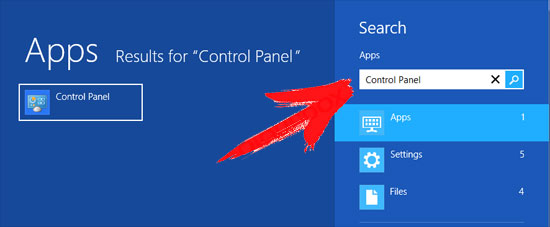
- Choose Uninstall a program and right-click on the unwanted app.
- Click Uninstall .
Remove Press from your Windows 7 and Vista:
- Open Start menu and select Control Panel.
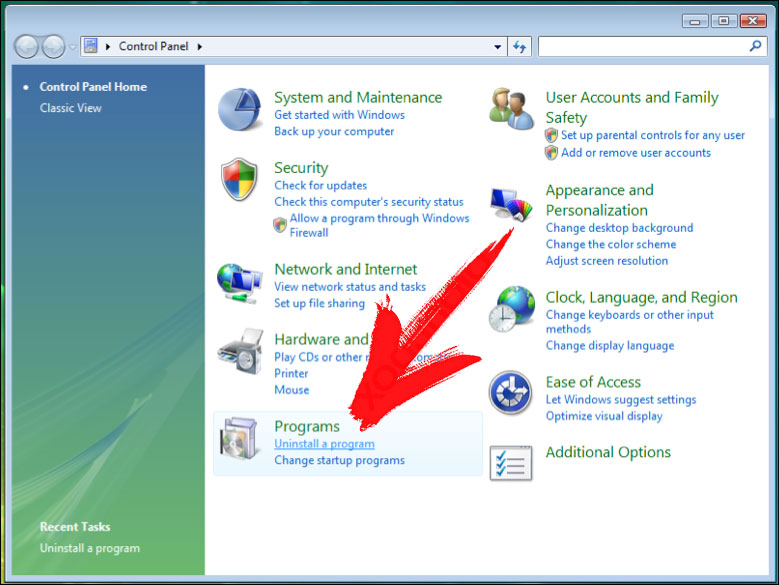
- Move to Uninstall a program
- Right-click on the unwanted app and pick Uninstall.
Delete Press from Windows XP:
- Click on Start to open the menu.
- Select Control Panel and go to Add or Remove Programs.
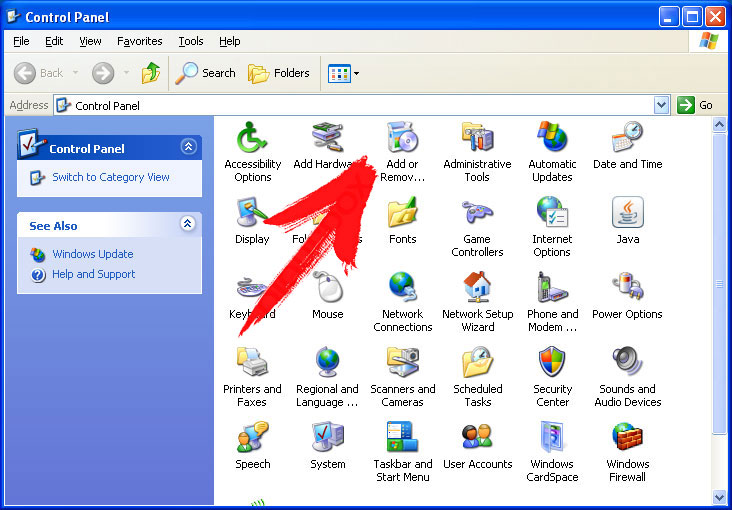
- Choose and remove the unwanted program.
Delete Press from Your Browsers
Press Removal from Internet Explorer
- Click on the Gear icon and select Internet Options.
- Go to Advanced tab and click Reset.
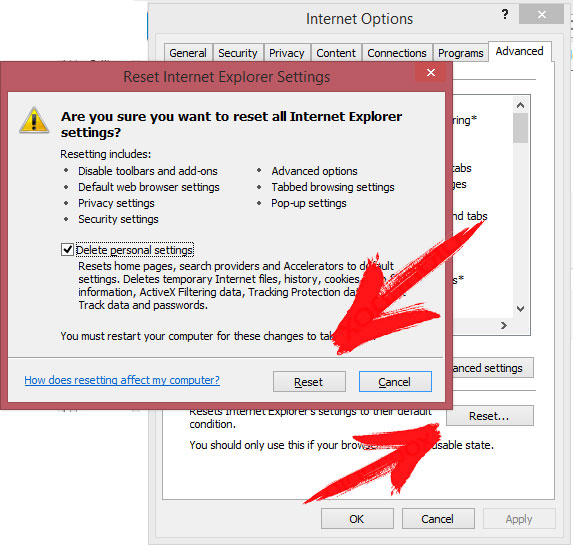
- Check Delete personal settings and click Reset again.
- Click Close and select OK.
- Go back to the Gear icon, pick Manage add-ons → Toolbars and Extensions, and delete unwanted extensions.
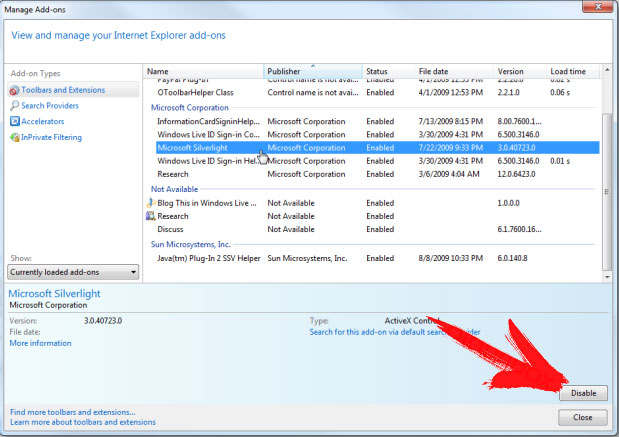
- Go to Search Providers and choose a new default search engine
Erase Press from Mozilla Firefox
- Enter „about:addons“ into the URL field.
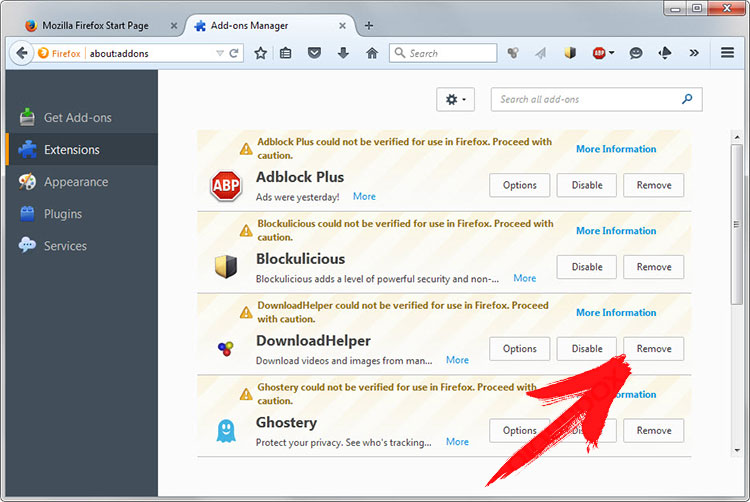
- Go to Extensions and delete suspicious browser extensions
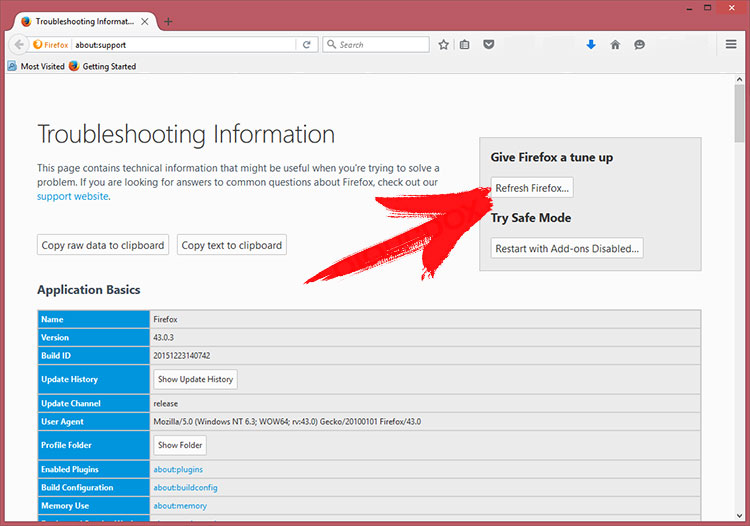
- Click on the menu, click the question mark and open Firefox Help. Click on the Refresh Firefox button and select Refresh Firefox to confirm.
Terminate Press from Chrome
- Type in „chrome://extensions“ into the URL field and tap Enter.
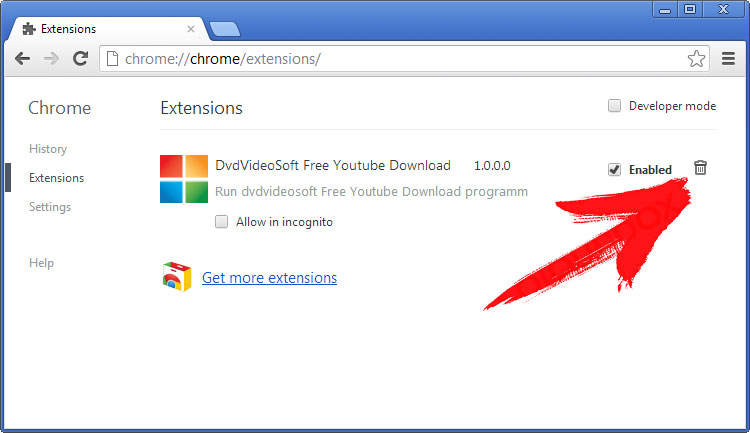
- Terminate unreliable browser extensions
- Restart Google Chrome.
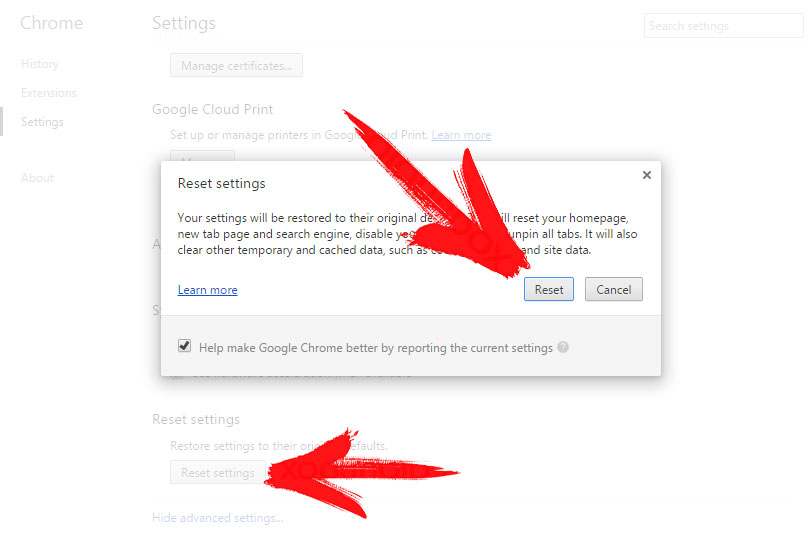
- Open Chrome menu, click Settings → Show advanced settings, select Reset browser settings, and click Reset (optional).